Peru · South America
Guide to Cusco & Machu Picchu
The Andes, Inca heritage, and high-altitude trekking
Overview
Cusco is the altiplano basecamp for Sacred Valley and Machu Picchu. A colonial city built on Inca foundations—stunning, but altitude acclimatization is essential.
Highlights
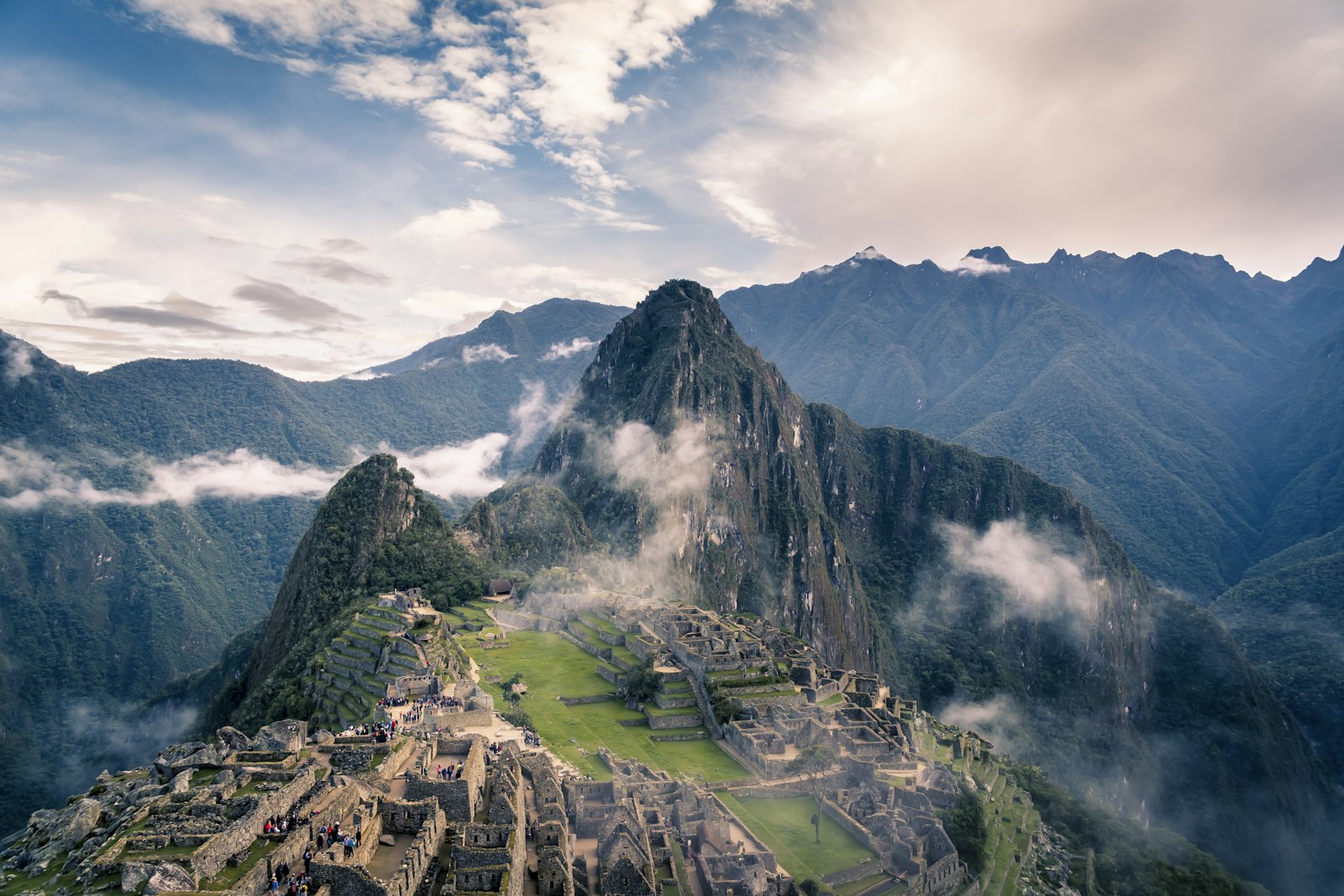
Machu Picchu
Buy official tickets well in advance. Choose a circuit that matches your stamina.
Sacred Valley
Pisac, Ollantaytambo — great for acclimatizing before Machu Picchu.
Sacsayhuamán
Massive stone site above the city; peaceful at sunrise.
Plaza de Armas
City center, cathedral, and balcony cafés.
San Pedro Market
Fresh juices, snacks, and local souvenirs.
Food
Cuy & alpaca
Try if you dare—start with a small portion at a trusted restaurant.
Quinoa soup
Light for your first day at altitude—easy to digest.
Pisco sour
Local cocktail; sip slowly at high altitude.
Getting around
Walking + taxi
Hilly city; short, cheap taxis for steep climbs.
Train to Aguas Calientes
PeruRail / IncaRail — book ahead in peak season.
Collectivo
Cheaper to Sacred Valley than a private tour.
Frequently asked questions
How can I prevent altitude sickness in Cusco, which sits at 3,400 meters?
Set aside two full days of light activity after arrival, drink plenty of water, limit alcohol, and eat light meals. Coca tea or soroche pills help some travelers. Many opt to spend the first night in the lower Sacred Valley (around 2,800 meters). If you experience severe shortness of breath or confusion, descend immediately and seek a clinic.
When and how should I buy Machu Picchu tickets?
Tickets are sold through Peru’s official government site with daily quotas and timed entry slots. For peak season (June to August), book two to three months in advance—especially for circuits including Huayna Picchu or Montana. The name on your ticket must match your passport, and you must bring your physical passport to enter.
Do Indonesian passport holders need a visa for Peru?
No. Indonesian passport holders enjoy visa-free entry for tourist visits of up to 90 days. The main consideration is your route: flights to Lima often transit through the US or Europe, which may require their own transit visas. Check requirements for routes via Doha to São Paulo or via Amsterdam individually.
How do I reach Machu Picchu from Cusco?
The standard route is a PeruRail or IncaRail train from Ollantaytambo to Aguas Calientes (about 1.5 hours), then a 25-minute bus up to the gate. A budget alternative is the road to Hidroelectrica followed by a three-hour walk along the tracks. The four-day Inca Trail requires a licensed operator, and permits sell out fast.
How many days are ideal for Cusco and the Sacred Valley?
Five to six days is comfortable: two days to acclimatize in the city, two days exploring the Sacred Valley (Pisac, Ollantaytambo, Maras Moray), and one full day for Machu Picchu. The Boleto Turístico covers many sites and is cheaper than individual tickets. Keep one spare day for weather delays or train schedule changes.
What should I know about food and water in Cusco?
Quinoa soup, potatoes, and grilled chicken are gentle on the stomach for your first day. Alpaca is common, while cuy (guinea pig) is best tried in small portions at reputable restaurants. Pork is used in some local dishes, so ask if you avoid it—certified halal options are virtually nonexistent. Drink bottled or boiled water only.