France · Europe
Guide to Paris
City of light: museums, bistros, and flâneur culture
Overview
Paris is Europe’s magnet: world-class museums, Haussmann architecture, and café culture. A walkable city with great metro—plan 4–6 days minimum to explore beyond the Eiffel Tower selfie.
Highlights
Louvre and Musée d'Orsay
Book time slots online. Orsay is more manageable for first-time art lovers.
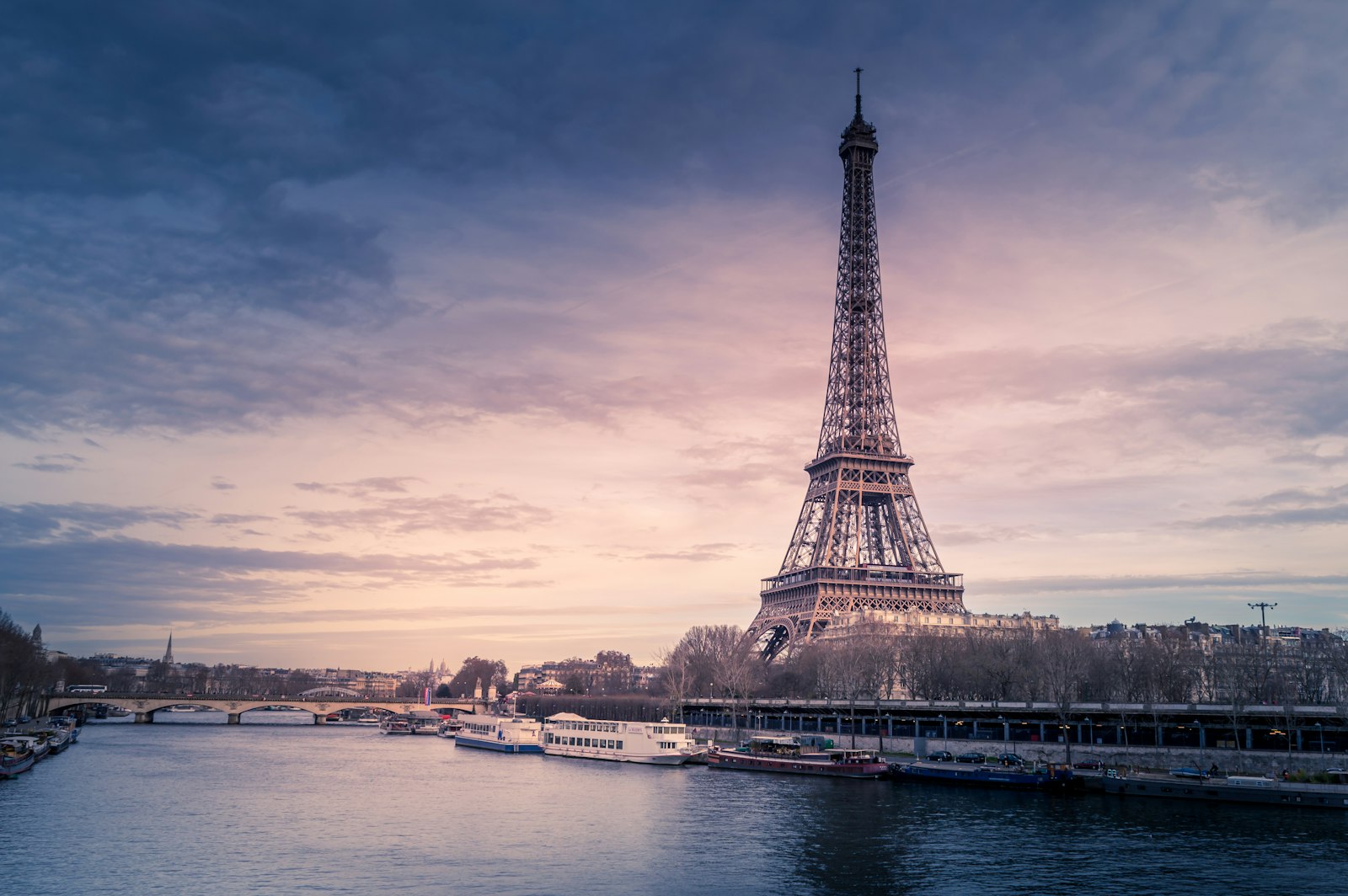
Eiffel Tower and Trocadéro
Sunset at Trocadéro is free; book tower tickets well in advance.
Le Marais and Île de la Cité
Neighborhood walk plus the Notre-Dame area.
Montmartre
Sacre-Cœur in the early morning before the crowds.
Versailles day trip
RER C — check opening time before arrival.
Food
Boulangerie breakfast
Croissant plus café crème — quality varies by arrondissement.
Classic bistro
Steak-frites, confit; avoid tourist traps near landmarks.
Fromagerie and market
Seine picnic — budget-friendly and delicious.
Getting around
Metro plus Navigo/Ticket t+
Buy a carnet or day pass based on your stay.
Walk
Compact center — comfortable shoes are a must.
RER to airport/Versailles
Check strike schedules before heading out.
Frequently asked questions
Paris Museum Pass: worth it or single tickets?
Worth it if you visit at least three major museums in two days, like the Louvre, Orsay, and Versailles. The pass also covers many smaller sites often overlooked. Important note: it’s not a skip-the-line ticket, and the Louvre and Versailles still require online time-slot reservations even with the pass.
How to avoid pickpockets on the Paris metro?
Classic hotspots are Line 1, Line 4, RER B to the airport, and around Sacré-Cœur and the Eiffel Tower. Use a cross-body bag with a zipper, never keep your phone in a back pocket, and stay alert when train doors are closing. Decline anyone offering bracelets or petitions. Split your cash and cards between two places.
Are they still using paper tickets or is there a card system?
The paper t+ ticket has been phased out; the system now uses Navigo Easy for single or carnet tickets, and Navigo Jour for daily passes. You can also buy tickets via the Île-de-France Mobilités app for Android and iPhone. Keep your proof of travel until you exit the station—inspectors check frequently.
How far in advance should I book tickets for the Eiffel Tower?
Ideally two to six weeks ahead, especially for summit slots to the top floor, which sell out fast. If lift tickets are full, the stairs to the second floor are usually still available and cheaper. For free views, Trocadéro or Champ de Mars offer the best perspectives. For a quieter paid panorama, try Tour Montparnasse.
How many days are enough, and how should I split them?
Four to six days is comfortable. Group by district to avoid crisscrossing: one day for the Louvre and Tuileries, one for the Eiffel Tower and Trocadéro, one for Le Marais and Île de la Cité, one for Montmartre, one for Versailles. Many museums, including the Louvre, close on Tuesdays—plan outdoor activities that day.
Is there halal food in Paris?
Plenty, especially in districts 18, 19, and 20, as well as Belleville and Barbès, where North African and Middle Eastern cuisine is strong. Halal couscous, tajine, and kebabs are easy to find and budget-friendly. In regular bistros, many dishes use wine or bacon, so ask about ingredients or opt for seafood.